

Pet insurance • Practical decisions

Choose the pieces of a cat insurance plan

Read the cat’s history beside a sample veterinary invoice to see what the plan could leave unpaid.

Tabby cat on a towel while its owner talks with a veterinarian
✓ Policy-first ✓ Independent ✓ Useful checks
Direct answer
Cat insurance plans can combine accident-and-illness protection with optional benefits such as exam fees, dental care or wellness. Build the plan around the risks you want to transfer and the expenses you can keep. Check existing symptoms and conditions separately; a cat being accepted for enrollment does not mean every future claim will qualify.
Pet profile

Use the cat’s record as the starting point

Make three short lists: conditions already treated or investigated, routine care recommended by the veterinarian, and unexpected costs you want help paying. Keeping the lists separate prevents a plan with attractive wellness benefits from looking like an answer to an ongoing illness.

For an adopted cat, ask which records can be obtained from the shelter or previous clinic and what the insurer needs if history is incomplete. Answer application questions accurately. A lack of old paperwork is not proof that a condition is new. If the insurer can review records before a claim, ask what that review does and does not establish.

Pet profile

Read one cat visit through two hypothetical plan designs

Consider an invented sick-visit invoice for a cat: $140 for the examination, $260 for diagnostic testing and $100 for medication. The $500 total is not a veterinary price estimate. Assume the condition and the testing and medication are eligible, the remaining annual deductible is $200, the reimbursement rate is 80%, the policy subtracts the deductible first and no payout limit is reached.

Illustrative plan design Eligible amount assumed Illustrative payment Owner’s share of the full bill
Illness treatment included; exam fee excluded $360 ($360 − $200) × 80% = $128 $372
Same settings, with the exam charge eligible $500 ($500 − $200) × 80% = $240 $260

The difference is $112 of reimbursement on this one fictional invoice. Compare that difference with the extra price of exam-fee coverage if the actual insurer offers it, without assuming this visit will occur or that either design is a real product. If the underlying condition is excluded, both illustrations stop being applicable; the percentage does not override the exclusion.
What to know

Run the medical-history check before the arithmetic

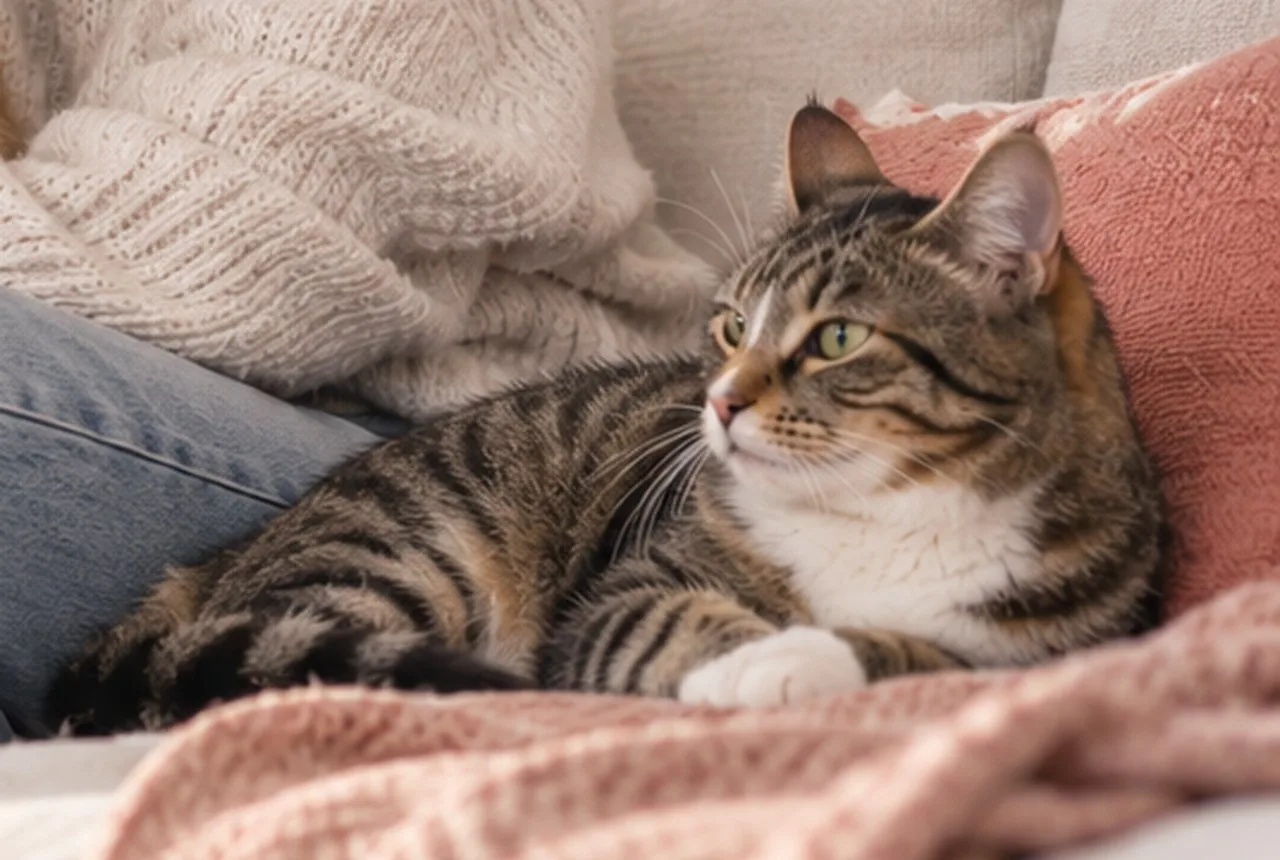
Tabby cat resting on a pink blanket beside its owner
Use the cat’s actual medical record; appearance does not establish its age or health history.

For the same fictional visit, suppose earlier records mention a symptom relevant to the condition being investigated. Do not assume the testing is eligible because the final diagnosis came after enrollment. Ask the insurer which definition applies and whether the earlier note changes the claim. If the record is unclear, retain an unresolved eligibility question rather than putting a likely reimbursement into the budget.

Now imagine the cat later receives care for a clearly separate new problem. The first exclusion does not by itself tell you the answer to that new claim; the insurer still applies the contract and records. This is why a cat with an existing issue might still have useful future protection, while the costs of the known issue remain a separate responsibility.

When reading a plan, ask for an answer at both levels: which conditions can qualify, and which services within a qualifying condition are paid. A plan that handles medicines well may still leave an examination fee out. A generous annual limit cannot fix an excluded diagnosis or service.

What to know

Make sure the plan works at the clinic

Ask your usual clinic and any likely referral clinic what they require at check-in, what estimate they can provide and how you obtain complete records. For reimbursement-based insurance, a generous benefit still leaves a period in which the owner has paid the veterinary bill and is waiting for the claim decision. Include that cash gap in the plan choice.

For dental questions, Cornell identifies gingivitis, periodontitis and tooth resorption as different problems in cats. Ask the veterinarian which finding is documented rather than describing every oral issue as a “cleaning.” If the cat has difficulty eating or other concerning symptoms, seek veterinary advice; shopping for insurance should not postpone assessment.

What to know

Keep a small plan file for the next review

  • The quote and final schedule for this cat, including optional-benefit names.
  • The records supplied and any written explanation of exclusions.
  • The remaining annual deductible and benefit limits, checked against claim statements.
  • The next renewal notice, compared with the old premium and selections.

When circumstances change, review the existing policy before canceling it to buy another. A new application can bring a new assessment of conditions that developed while the old plan was active. A useful plan is one you can maintain and understand, not simply the package with the largest list of extras.

Evidence

Sources and policy context

These public references support the consumer or veterinary context. Named insurer details were checked in official product materials; the policy offered for your pet and state determines the actual terms.

Next step

Compare Current Pet Insurance Rates

Check current options for your pet and location, then compare the policy details, exclusions, costs, and eligibility before choosing.

Compare the policy before you choose Check the actual offer, exclusions and out-of-pocket terms.
See Rate Options